


Complete Guide to Mini Portable Fiber Laser Marking Machine
Modern manufacturing demands speed, flexibility, precision, and permanent identification. A Mini Portable Fiber Laser Marking Machine delivers all these advantages in a compact, lightweight design that can be used across workshops, production lines, warehouses, and field service locations.
Designed for marking metals and selected engineering plastics, portable fiber laser technology provides exceptional engraving quality without consumables, making it an ideal solution for manufacturers seeking efficiency, traceability, and long-term cost savings.
This comprehensive guide explores everything you need to know about mini portable fiber laser marking machines, including their features, applications, benefits, technical specifications, selection criteria, maintenance practices, and future industry trends.
What Is a Mini Portable Fiber Laser Marking Machine?
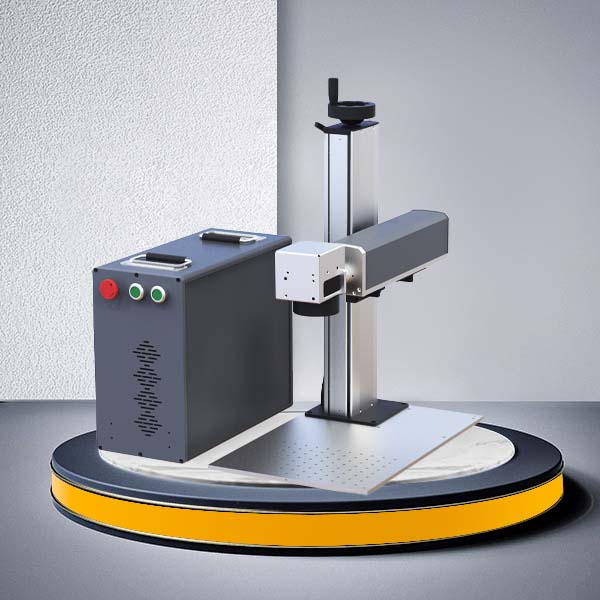
A Mini Portable Fiber Laser Marking Machine is a compact laser engraving system that utilizes a fiber laser source to create permanent marks on various materials. Unlike traditional marking methods such as ink printing, stamping, or chemical etching, fiber laser technology produces high-contrast, wear-resistant markings without physical contact.
The portable design allows operators to easily move the machine between workstations or bring it directly to large or heavy workpieces that cannot be transported.
These systems are widely used for:
Product identification
Serial numbers
QR codes
Data Matrix codes
Logos
Brand information
Barcodes
Manufacturing dates
Batch numbers
Decorative engraving
The compact footprint makes the machine ideal for both factory production and mobile operations.
How Fiber Laser Technology Works
Fiber laser marking systems generate a concentrated laser beam through an optical fiber doped with rare-earth elements.
The laser beam passes through high-speed galvanometer scanners that direct the beam precisely onto the material surface. The focused energy permanently changes the material by:
Annealing
Engraving
Etching
Foaming
Carbonization
Color marking (on selected metals)
The process creates clean, permanent markings with exceptional accuracy while generating minimal heat-affected zones.
Major Features of Mini Portable Fiber Laser Marking Machines
Compact and Lightweight Design
One of the biggest advantages is portability.
Unlike traditional cabinet-style systems, mini portable models can easily be transported between workstations or customer locations.
This flexibility significantly improves productivity in industries handling oversized components.
Exceptional Marking Speed
Modern galvanometer scanning systems enable marking speeds of up to 7000 mm/s, reducing production time while maintaining outstanding quality.
Fast processing supports:
High-volume manufacturing
Assembly lines
Automated production
Batch processing
High Precision
Fiber laser systems achieve extremely fine laser spots, enabling:
Tiny text
Micro QR codes
Precision graphics
Intricate logos
High-density data matrices
Typical positioning accuracy reaches ±0.001 mm, ensuring consistent results.
Long Laser Lifetime
Most premium fiber laser sources provide:
100,000+ hours service life
Stable output power
Minimal maintenance
Excellent beam quality
This dramatically lowers operating costs over the machine's lifespan.
Materials Compatible with Fiber Laser Marking
Mini portable fiber laser marking machines excel on numerous industrial materials.
Metals
They are ideal for:
Stainless steel
Carbon steel
Aluminum
Brass
Copper
Titanium
Iron
Gold
Silver
Nickel
Zinc alloys
Engineering Plastics
Suitable plastics include:
ABS
PVC
Polycarbonate
Nylon
PBT
PE
PP
Acrylic (selected applications)
Always verify material compatibility before production.
Industries Using Portable Fiber Laser Marking
Automotive Manufacturing
Automotive suppliers rely on permanent laser markings for:
VIN components
Engine parts
Brake systems
Gearboxes
Bearings
Chassis numbers
Laser identification supports complete product traceability.
Electronics Industry
Mini portable systems precisely mark:
Circuit boards
Electronic housings
Connectors
Sensors
Mobile device components
Semiconductor parts
Tiny, high-resolution markings are ideal for compact electronic products.
Medical Equipment
Medical manufacturers require permanent, sterile, corrosion-resistant markings on:
Surgical instruments
Medical implants
Stainless steel devices
Laboratory tools
Fiber laser technology satisfies strict identification standards.
Jewelry Industry
The machine creates elegant engravings on:
Rings
Bracelets
Watches
Necklaces
Luxury accessories
Personalized engraving adds value without damaging delicate materials.
Hardware Manufacturing
Common applications include:
Tools
Fasteners
Locks
Bearings
Valves
Industrial components
Permanent identification improves inventory management.
Aerospace Industry
Aircraft components require durable identification capable of surviving extreme environmental conditions.
Fiber laser marking delivers permanent codes with exceptional readability.
Advantages Over Traditional Marking Methods
Permanent Identification
Laser markings resist:
Wear
Corrosion
Heat
Chemicals
UV exposure
Abrasion
This ensures long-term readability throughout the product lifecycle.
No Consumables
Unlike inkjet printers, fiber laser systems require no:
Ink
Solvents
Labels
Chemicals
Stamps
Lower operating costs make laser marking highly economical.
Environmentally Friendly
Laser processing generates minimal waste and eliminates harmful chemicals, supporting environmentally responsible manufacturing.
Non-Contact Processing
Because the laser never physically touches the workpiece:
No tool wear occurs
Delicate parts remain undamaged
High precision is maintained
Maintenance requirements decrease
Excellent Production Efficiency
Automation compatibility enables integration with:
Conveyor systems
Robotic arms
Vision inspection
MES software
ERP systems
This supports smart manufacturing initiatives.
Typical Technical Specifications
Although specifications vary by manufacturer, many mini portable fiber laser marking machines include:
| Feature | Typical Specification |
|---|---|
| Laser Power | 20W, 30W, 50W, 60W |
| Laser Source Lifetime | 100,000 Hours |
| Wavelength | 1064 nm |
| Marking Speed | Up to 7000 mm/s |
| Minimum Character | 0.15 mm |
| Repetition Accuracy | ±0.001 mm |
| Cooling Method | Air Cooling |
| Power Supply | AC 110V / 220V |
| Software Support | Windows Compatible |
| File Formats | AI, DXF, BMP, PLT, JPG, PNG |
Choosing the Right Mini Portable Fiber Laser Marking Machine
Laser Power
Select laser power according to production requirements.
20W — General engraving
30W — Faster production
50W — Deep engraving
60W+ — Heavy industrial applications
Higher wattage generally increases marking speed and engraving depth.
Marking Area
Common working areas include:
70 × 70 mm
110 × 110 mm
150 × 150 mm
175 × 175 mm
200 × 200 mm
300 × 300 mm
Choose the field size based on the dimensions of your products.
Software Compatibility
User-friendly software should support:
Text creation
Barcode generation
QR codes
Variable data
Database connectivity
Automatic serialization
Advanced software increases productivity while simplifying operation.
Portability
Evaluate:
Machine weight
Handle design
Cable length
Power requirements
Mobility accessories
Portable systems should remain easy to transport without compromising stability.
Daily Maintenance Tips
Proper maintenance extends machine life.
Recommended practices include:
Clean optical lenses regularly
Keep ventilation openings free from dust
Maintain stable electrical power
Avoid excessive vibration
Inspect cables frequently
Update software when necessary
Store the machine in a dry environment
Follow manufacturer calibration schedules
Routine care ensures consistent marking quality.
Common Applications
Mini portable fiber laser marking machines are commonly used for:
Product serialization
Anti-counterfeit identification
Equipment labeling
Brand logos
Nameplates
Industrial traceability
Promotional gifts
Personalized engraving
Tool identification
Asset management
Medical device coding
Aerospace component marking
Automotive part identification
Electronics manufacturing
The versatility of fiber laser technology makes it suitable for nearly every industrial sector.
Future Trends in Portable Fiber Laser Marking
Advancements in laser technology continue to improve performance.
Emerging innovations include:
AI-assisted parameter optimization
Intelligent autofocus systems
Cloud-connected production management
Industrial IoT integration
Vision-guided positioning
Robotic automation
Higher beam efficiency
Enhanced energy savings
Portable battery-powered systems
Smart maintenance diagnostics
These developments further increase productivity while reducing operating costs.
Why Businesses Choose Mini Portable Fiber Laser Marking Machines
Manufacturers increasingly adopt portable fiber laser systems because they combine precision, mobility, speed, and reliability in one compact solution.
Compared with traditional marking technologies, fiber laser machines provide:
Permanent high-quality markings
Low maintenance costs
Long equipment lifespan
Exceptional marking speed
Minimal operating expenses
Superior production flexibility
Excellent return on investment
Environmentally friendly processing
Wide material compatibility
Easy integration into modern production lines
Whether used in automotive manufacturing, electronics, aerospace, medical devices, hardware production, jewelry engraving, or industrial identification, a Mini Portable Fiber Laser Marking Machine delivers the precision and efficiency required by today's competitive manufacturing environment. Investing in a high-quality portable fiber laser system enables businesses to improve product traceability, enhance branding, increase productivity, and maintain consistently outstanding marking performance for years to come.
Frequently Asked Questions
Can a mini portable fiber laser marking machine engrave all metals?
Yes. It can effectively mark stainless steel, aluminum, brass, copper, titanium, carbon steel, iron, silver, gold, and many other metal alloys.
Is fiber laser marking permanent?
Yes. Fiber laser markings are highly resistant to wear, corrosion, chemicals, heat, and fading, making them suitable for long-term industrial identification.
What laser power is best for most industrial applications?
A 30W fiber laser is an excellent balance between speed, engraving capability, and cost, while 50W models are preferred for deeper engraving and higher production volumes.
Does the machine require consumables?
No. Fiber laser marking machines operate without ink, labels, solvents, or chemicals, significantly reducing operating costs.
Can portable laser marking machines be integrated into automated production lines?
Yes. Many systems support automation through communication interfaces, robotic integration, conveyor synchronization, barcode generation, and industrial software connectivity.
If you are interested in sending in a Guest Blogger Submission,welcome to write for us!
Comments
0